

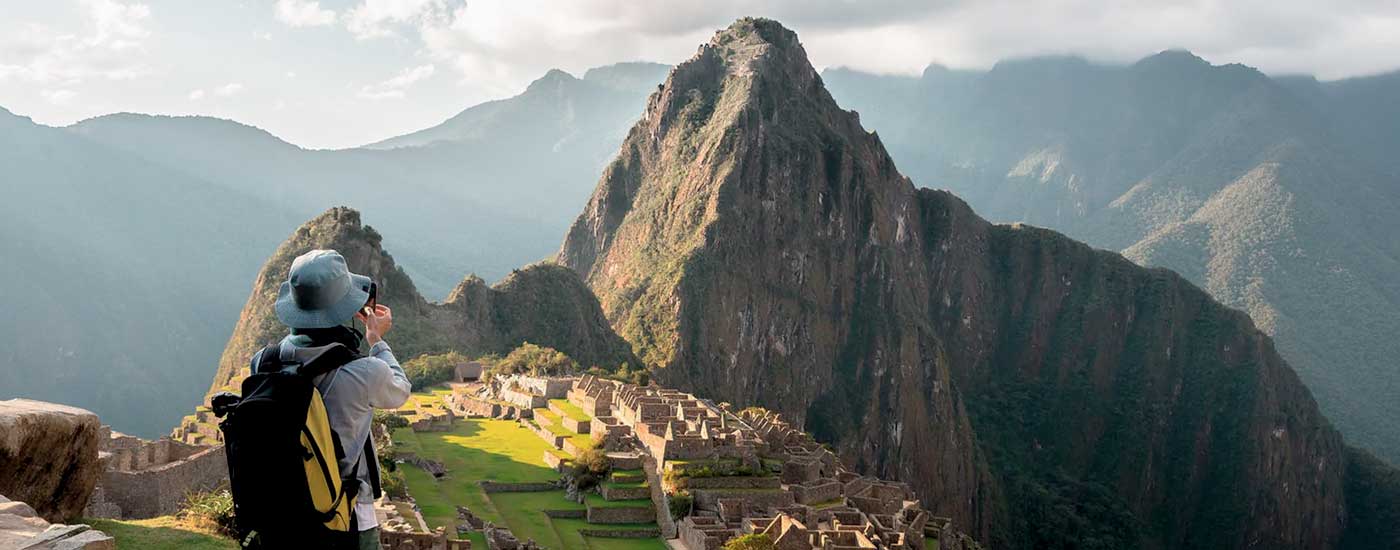
Machu Picchu, the ancient Inca city high in the Andes, is one of the world’s most iconic tourist destinations in Peru. With its breathtaking views and awe-inspiring ruins, it’s no wonder travelers from all corners of the globe flock to see this wonder. But there’s something you should be aware of before visiting the Inca citadel: altitude sickness.
Although the altitude at Machu Picchu is lower than in nearby Cusco, it can still affect some visitors, especially those coming from sea level or lower altitudes. Understanding the altitude of Machu Picchu and how to prevent altitude sickness can help you enjoy your trip without unnecessary discomfort.
How high is Machu Picchu?
Let’s start with the basics: exactly how high is Machu Picchu?
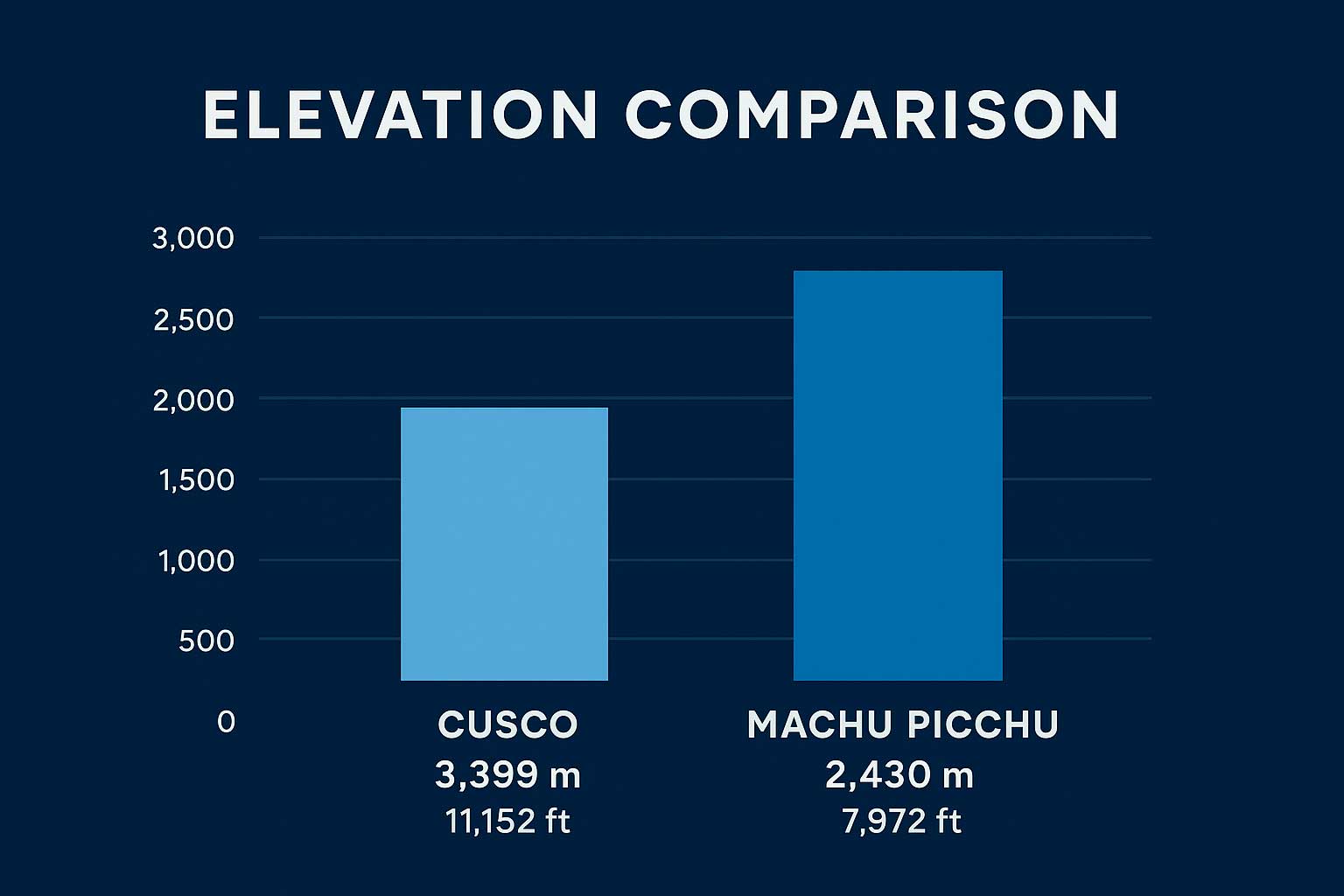
Machu Picchu is located 2,430 meters above sea level, high enough to cause mild altitude sickness in some people.
In comparison, Cusco, the city through which most travelers pass on their way to Machu Picchu, is located at 3,400 meters, making it much higher and more prone to severe symptoms of altitude sickness.
Although Machu Picchu is at a lower altitude than Cusco, it is important to prepare for its altitude. Altitude sickness usually happens when ascending to altitudes above 2,400 meters and the body has not had time to adjust.
What is altitude sickness?
Altitude sickness occurs when the body cannot get enough oxygen due to reduced atmospheric pressure at high altitudes. Symptoms can range from mild to severe and, although they are usually temporary, they can affect your enjoyment of Machu Picchu.
Common symptoms of altitude sickness include:
- Headache.
- Dizziness.
- Nausea.
- Shortness of breath.
- Fatigue.
Although the altitude of Machu Picchu is not as extreme as that of Cusco, it can cause mild symptoms of altitude sickness. This is especially true for travelers coming from sea level or lower altitudes, who may not have had time to acclimate to the thinner air.
Machu Picchu vs. Cusco: Altitude Explained
Although Machu Picchu is located at high altitude, the altitude here is not usually as problematic as in Cusco. Here’s why:
- Machu Picchu’s altitude is lower
As mentioned, Machu Picchu is located at about 2,430 meters (7,970 feet). While this is a considerable height, it is still lower than Cusco (3,400 meters/11,000 feet) and much lower than Puno (3,800 meters/12,600 feet), places where altitude sickness is often more severe. - Acclimatization in Cusco
Most travelers spend at least one or two days in Cusco before heading to Machu Picchu, allowing their bodies to adjust to the higher altitude. By the time you arrive at Machu Picchu, your body has had a chance to acclimatize, significantly reducing the likelihood of altitude sickness. - Machu Picchu is not that physically demanding
Many people worry that the physical exertion required to explore Machu Picchu will aggravate altitude sickness. However, the main archaeological site is relatively easy for most travelers to explore, and you will have the option to take breaks and rest.
How to prevent altitude sickness at Machu Picchu
Although the altitude at Machu Picchu is not extreme, it is essential to take the necessary measures to ensure that altitude sickness does not ruin your adventure. Here are some simple but effective strategies to help you stay healthy:
1. Acclimatize before you leave
Before heading to Machu Picchu, spend at least two or three days in Cusco or the Sacred Valley to allow your body to adjust to the altitude.
Cusco is located at an altitude of 3,400 meters, and spending time here will give your body a chance to acclimatize.
The Sacred Valley (which is at a lower altitude than Cusco) is another ideal place to rest before your trip to Machu Picchu.
2. Stay hydrated.
Proper hydration is essential at high altitudes. The dry air at these heights can quickly lead to dehydration, which can worsen the symptoms of altitude sickness.
Drink plenty of water, at least 2 to 3 liters per day.
Avoid alcohol and caffeine, as they can further dehydrate you.
3. Eat light and avoid heavy meals.
Your body needs energy to acclimatize to the altitude, but eating heavy or fatty foods can make digestion difficult and exacerbate altitude sickness symptoms.
Stick to light meals such as fruits, vegetables, rice, and bread.
Avoid alcohol and heavy meals until you have fully acclimatized.
4. Take it easy.
One of the best ways to manage altitude sickness is to avoid overexertion. Walk slowly, rest frequently, and don’t try to rush your exploration.
The Machu Picchu site has steep stairs and uneven terrain, so be sure to maintain a moderate pace and rest when necessary.
5. Consider natural remedies.
Some travelers find relief from altitude sickness with natural remedies such as:
- Coca tea: made from coca leaves, this traditional Peruvian drink is known to help with nausea and dizziness associated with altitude sickness.
- Ginger tea: another natural remedy to relieve nausea and aid digestion.
6. If symptoms persist, descend.
If you start to feel ill despite taking precautions, it is best to descend to a lower altitude, such as Aguas Calientes, which is located at an altitude of 2,040 meters.
Conclusion: Machu Picchu Elevation
Although the altitude of Machu Picchu can cause mild symptoms of altitude sickness in some travelers, it is rarely a serious problem. By following a few simple tips, such as acclimatizing, stayiing hydrated, and taking it easy, you can minimize the effects and enjoy your visit to one of the most impressive destinations in the world without any worries.
Remember that the most important thing is to listen to your body. If you start to feel unwell, rest, hydrate, and don’t hesitate to descend if necessary. With these precautions, you can make the most of your experience at Machu Picchu and marvel at its ancient beauty with peace of mind.
Machu Picchu Altitude Sickness FAQs:
1. At what altitude is Machu Picchu located?
Machu Picchu is located at 2,430 meters above sea level, which is considerably lower than Cusco.
2. At what altitude is Cusco located in comparison to Machu Picchu?
Cusco is located at 3,400 meters (11,152 feet), which is about 1,000 meters (3,200 feet) higher than Machu Picchu.
3. Is altitude sickness common in Machu Picchu?
Altitude sickness is rare in Machu Picchu due to its lower altitude. Most travelers who feel the effects of altitude experience them in Cusco or the Sacred Valley.
4. Can I prevent altitude sickness when visiting Machu Picchu?
Yes. It is best to spend a few days in the Sacred Valley or at lower altitudes before going to Cusco. Stay hydrated, avoid alcohol, and take it easy on the first day.
5. Should I start my trip in Cusco or the Sacred Valley?
If you are traveling from low-altitude areas, it is recommended to start in the Sacred Valley (2800 m) before moving on to Cusco. This helps your body acclimatize gradually.
6. What are the symptoms of altitude sickness?
Common symptoms include headache, shortness of breath, dizziness, and nausea. They usually appear within the first 24 hours at high altitude.
7. How long does it take to adjust to the altitude in Cusco?
Most travelers need one to two days to acclimatize before engaging in strenuous activities or hikes such as the Camino.